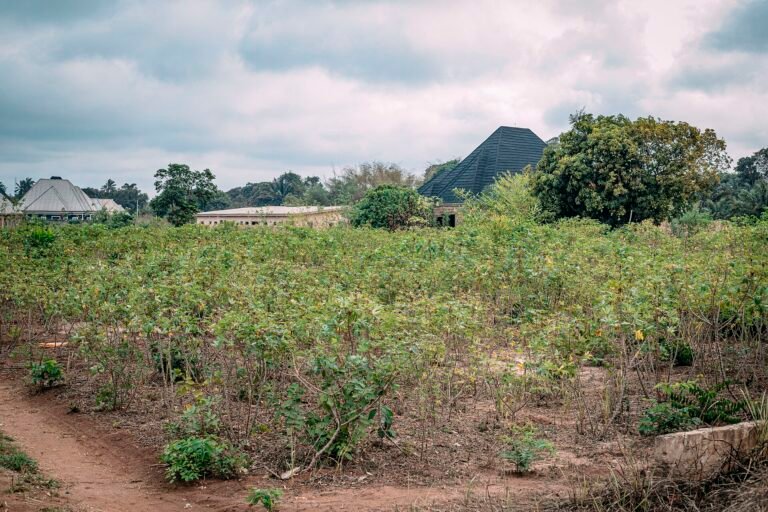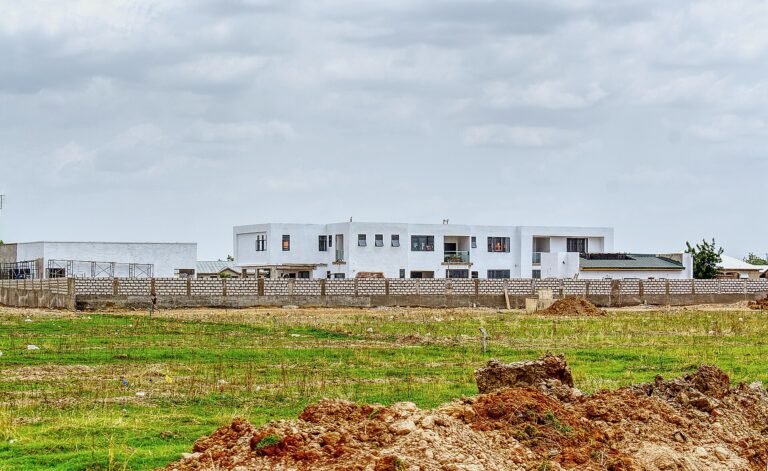
Fifteen years ago, Ibeju-Lekki was farmland and fishing villages at the far end of a road that most Lagosians never had a reason to drive down. Today it is the most discussed property location in Nigeria, the subject of more adverts, more WhatsApp broadcasts and more site-inspection buses than anywhere else in the country. Plots that changed hands for a few hundred thousand naira are now quoted in the tens of millions.
That transformation is real, and unlike a great many Nigerian property stories, it was not built on hype. Something genuinely happened in Ibeju-Lekki. Very large industrial projects were physically built there, with concrete and steel and thousands of workers, and those projects changed the economic reason for the area to exist. Land does not multiply in value because agents say it will. It multiplies because a reason to be there arrives, and in this case several arrived at once.
The question for a buyer today is a different one from the question in 2014. Then, the question was whether the projects would actually happen. Now they largely have, and much of the resulting price movement has already occurred. So today’s question is where the remaining value sits, what risks have emerged alongside the growth, and whether an ordinary buyer arriving now is early, on time, or late. This guide sets out the drivers honestly, maps the corridor, and gives the specific checks that Ibeju-Lekki demands. For the process of buying in Lagos, read our Lagos land buying guide.
What actually drove the growth
Four things, and they are physical rather than promotional.
The deep sea port. A deep water port at the Lagos Free Zone gave Nigeria container-handling capacity that the older Apapa and Tin Can ports could not provide, and it sits at the far end of this corridor. Ports create logistics, warehousing, haulage, customs businesses and employment, and they do so permanently.
The refinery and fertiliser complex. A very large private refinery and associated fertiliser plant were constructed in this axis. The construction phase alone brought an enormous workforce into the area, and the operating phase brings permanent staff, contractors and supporting businesses.
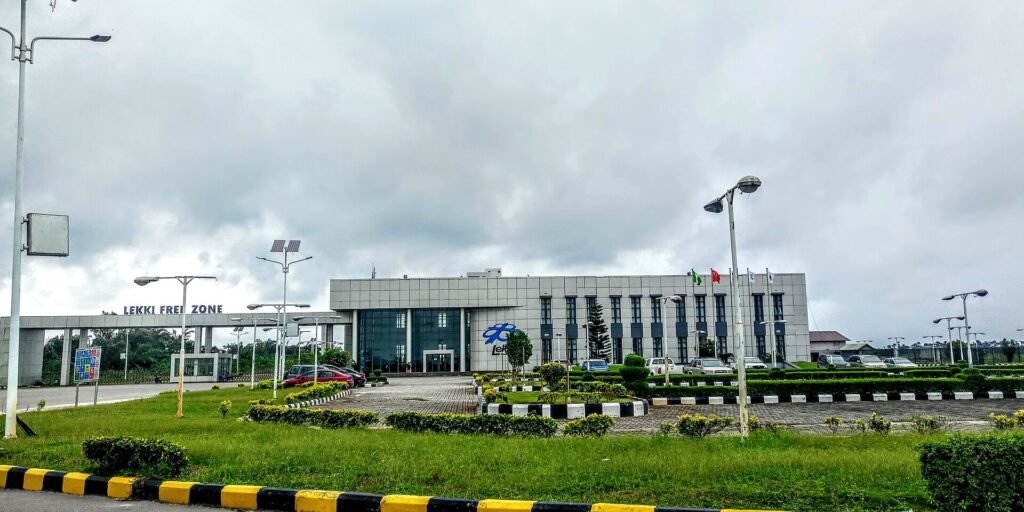
The free trade zone. The Lagos Free Zone and associated industrial developments provide serviced land and incentives for manufacturers, which is a long-term generator of employment and of demand for housing near the zone.
The road. The Lekki-Epe Expressway has been progressively expanded, and the coastal highway project has drawn further attention to the axis. Road capacity is what converts a distant industrial zone into a commutable residential area.
Add to those a growing cluster of institutions, including a university on the axis, and a steady spillover of residential demand from the increasingly expensive Lekki and Ajah areas behind it.
That combination is unusually strong. Most Nigerian growth corridors have one driver. This one has several, and they reinforce each other.
The geography, from the city outward
Understanding the corridor as a sequence helps enormously, because price falls and risk changes as you move east.
Ajah, Sangotedo and Abraham Adesanya. Already fully developed urban Lagos. Expensive. Buy here for a finished home or a rental property, not for appreciation.
Awoyaya, Bogije, Lakowe. Established residential belt with many estates, schools and services. Reasonable for family homes with a manageable commute towards Lekki.
Eleko, Akodo and the Ibeju town axis. The heart of the growth story. Enormous estate activity, prices well above where they were but still below the developed belt, and genuine infrastructure arriving.
Beyond towards Epe. The current frontier. Cheaper, less developed, and the place where patient land banking money is now going. See land banking in Nigeria.
The free zone and port area itself. Industrial and commercial, with logistics and warehousing demand rather than residential.
The general rule on this corridor has been that the frontier keeps moving east. As prices in one section become uncomfortable, buyers push further out, and the section behind them fills in.
Is it too late?
Let us answer this honestly rather than with an advert.
The easy money has gone. The multiplication that people talk about at parties happened to buyers who came in before the port and the refinery were built, when the price still reflected farmland and the risk was that nothing would happen. That risk has now been resolved, and the price reflects it.
But the corridor is not finished. The industrial base is now in place, which means employment, logistics and services will keep building out around it for years. Populations follow employment slowly, and much of the residential absorption is still ahead.
The remaining value is further east, and in development rather than raw land. Buying bare land in the middle of the developed section and waiting is a much weaker proposition today than it was. Buying further out, or buying and building something that serves the workforce arriving, is where the sensible money is now.
Some of the pricing is speculative. There are estates on this axis priced as though full infrastructure has already arrived, when the estate is bush with a gate. Compare price against what is physically on the ground, not against the average for “Ibeju-Lekki”.
The risks specific to this corridor
Title. Always title. The boom brought in a very large number of sellers with a very wide range of paperwork quality. Ibeju-Lekki includes land under government acquisition and land that has been excised and gazetted, sometimes close together. You must chart your specific plot, not accept a general assurance about the village. See excision and gazette explained.
Government acquisition and road corridors. Major road projects on this axis have setbacks and corridors, and structures inside them have been removed. Verify the plot against the acquisition and road plans before buying. See government acquisition, setback and committed land.
Sand filling. Much of this area is low and sandy, and some of it is genuinely wet. Filling a plot to a buildable level can be a very large cost, sometimes a significant fraction of the plot price. Ask specifically how much fill your plot needs, and visit in the rainy season.
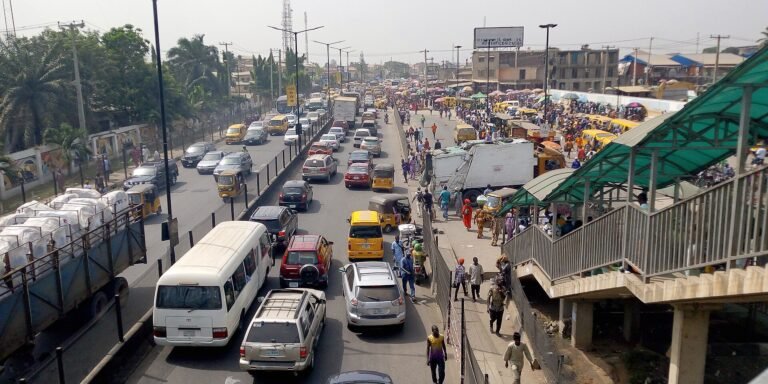
Distance and traffic. The commute from the far end of this corridor into Lagos proper is long, and the expressway can be severely congested. If you are buying to live and work in the city, drive it at the actual hours you would travel before committing.
Estate delivery risk. Many estates on this axis sold plots with promised infrastructure. Some delivered. Some did not. Ask to see delivered estates from the same developer, and speak to buyers who have already been allocated and given documents. See how to check if a real estate company is real.
Over-supply of estates. There are a very large number of estates on this corridor. Not all of them will fill. An estate with three houses after six years of sales is a warning about the specific location within the corridor.
How to buy here properly
- Decide your horizon. Under five years, this is not the right buy. Five to ten years, it can be excellent.
- Pick your section deliberately. Developed belt for living and renting. Frontier for appreciation.
- Verify the excision and gazette, with the number, year and page, and chart your specific plot.
- Run a full search through your own lawyer. See land registry search in Nigeria.
- Check the road and coastal corridor setbacks against the plot.
- Price the sand filling before you agree the plot price.
- Visit twice, including in the rains.
- Confirm the total cost, including development levy, which on this axis can be very large. See the real cost of buying land in Nigeria.
- Pay corporate, by transfer, with the plot number on the receipt.
- Register the title, then fence the plot and put your name on it.
What might come next
Reasonable expectations, held lightly:
- Continued industrial expansion around the free zone and the port, with associated logistics and warehousing demand
- Growing demand for workforce housing, which favours modest, well-located units over luxury development
- Further road capacity, which historically is what unlocks each successive section
- Continued eastward movement of the affordable frontier
- Increasing importance of title quality as the area matures, because valuable land attracts disputes
What should be treated cautiously: any specific timeline for an announced project that has not started, and any price justified purely by a plan rather than by construction.
What to actually build on this corridor
If you are buying here to develop rather than to hold, think carefully about who the tenant is, because the corridor’s economy is now industrial and logistical rather than aspirational.
Workforce housing. The port, the free zone and the industrial plants employ large numbers of people who need somewhere affordable to live within a reasonable distance. Small units, one and two-bedroom flats, and blocks of self-contained rooms serve that demand and let quickly. This is the clearest opportunity on the corridor and it is under-built relative to luxury development.
Staff and contractor accommodation. Companies operating in the zone need medium-term accommodation for secondees, engineers and contractors. Well-finished units let by the month to a corporate tenant produce better rates than annual residential letting with far less turnover than nightly short-let.
Logistics and storage. A port generates enormous demand for space to hold, sort and move goods. Secure yards, warehousing and truck parking near the access routes serve a business tenant rather than an individual, which changes the credit profile in your favour.
Small commercial and services. Where thousands of workers gather, everyday services follow: food, provisions, banking agents, workshops, transport.
What to be cautious about: large luxury residential built on the assumption that executives will live at this end of Lagos. Some will. Many will not, and a single long vacancy on an expensive unit destroys years of return. Build for the workforce that is physically arriving, not for the one in the brochure.
Final thoughts
Ibeju-Lekki is the clearest example in modern Nigeria of what actually drives land value. Not marketing, not scarcity talk, not fire emojis in a broadcast message. Physical infrastructure, built and operating, giving people a reason to be somewhere they previously had no reason to be.
That makes it a genuinely instructive place to study, whether or not you buy there. The lesson transfers to every corridor in the country: look for the port, the refinery, the university, the road that is actually under construction. Then buy ahead of the crowd, in a section where the price still reflects the present rather than the future, with title you have personally verified.
For buyers arriving today, the corridor still has room, but the approach must be different from a decade ago. Go further out if you want appreciation. Buy in the developed belt if you want to live or to rent. Price the sand filling honestly. Chart your plot rather than trusting the village’s reputation. And be sceptical of any estate priced as though the roads are already there when the roads are not.
Ibeju-Lekki rewarded patient, careful buyers spectacularly. It will probably reward patient, careful buyers again. It has never, at any point, rewarded people who paid in a hurry because a discount was ending on Friday.