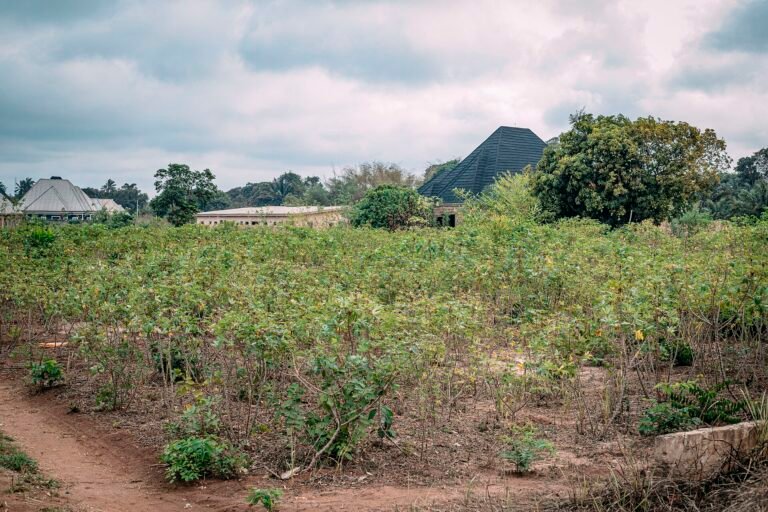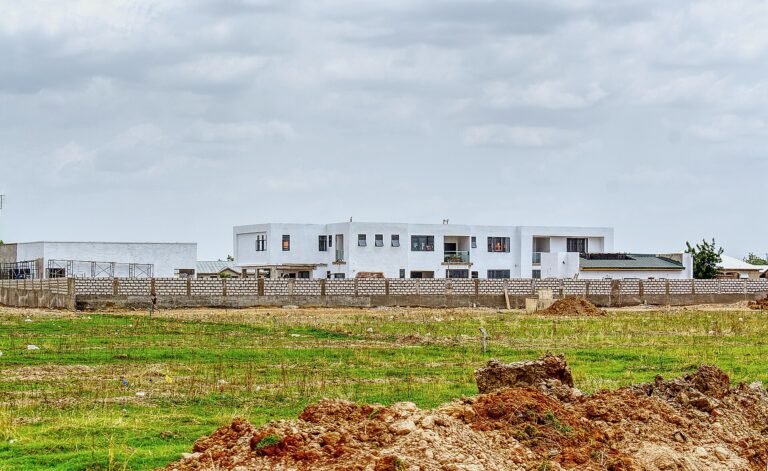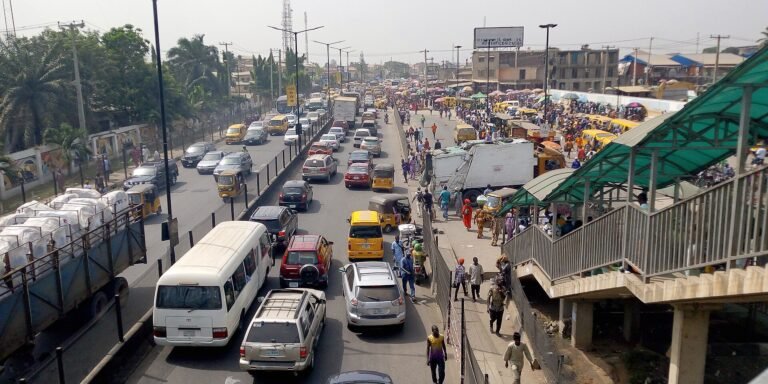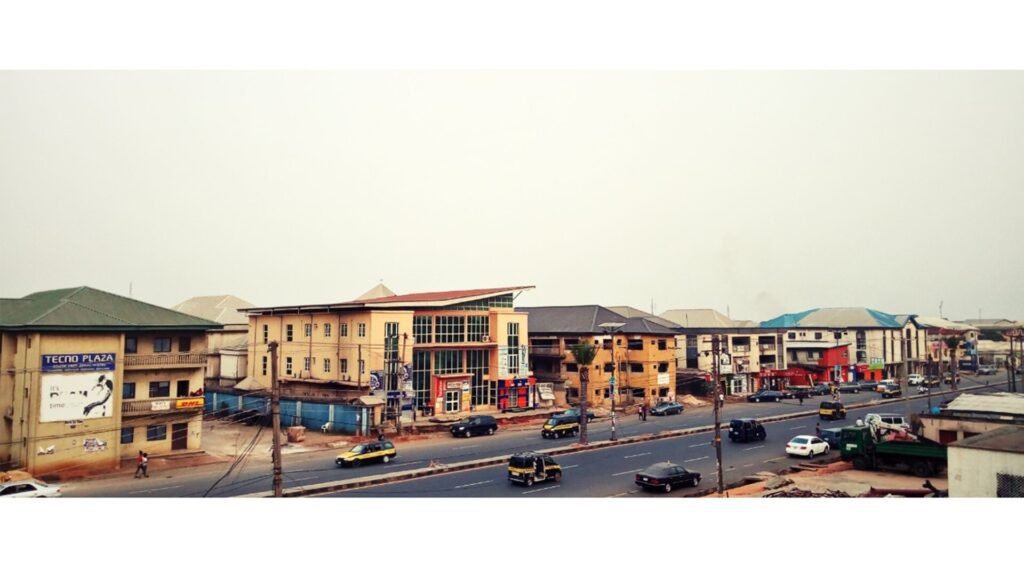
Owerri is a city that grew faster than most people expected. Twenty years ago it was a quiet capital with a few good hotels. Today it is the social and entertainment centre of the South East, it holds two large tertiary institutions that bring in tens of thousands of students every session, and it has a cargo airport sitting just outside town in Ngor Okpala. Around all of that, a ring of villages has been turning into suburbs, one estate at a time.
For a buyer, that combination is unusually attractive. Owerri land is still cheap compared with Lagos or even Enugu, which means an ordinary salary earner or a small business owner can realistically buy a plot without borrowing. At the same time the city has genuine reasons to keep spreading outwards: student housing demand, hospitality, returning indigenes building retirement homes, and the airport corridor. That is the sort of quiet, steady growth that rewards patient land buyers.
The catch is that almost all of the land around Owerri is family and kindred land, held under customary arrangements that have been in place for generations. It is not government-scheme land and it does not come pre-packaged with a Certificate of Occupancy. That is neither good nor bad on its own, but it does mean the buyer’s work is different here. Your job in Imo is less about fighting government acquisition and more about proving, beyond argument, that the people selling to you are the people entitled to sell. This guide shows you how. If you have not read our complete guide to buying land in Nigeria, start there for the general order of steps.
How land ownership actually works in Imo
In most of Imo State, land descends through the kindred. A village is made up of several kindreds, a kindred is made up of families, and a family is made up of the sons of a common ancestor. Over generations, land gets shared, re-shared and sometimes never formally shared at all.
That creates three practical situations, and you need to know which one you are in.
Land already partitioned. The family has formally divided its holding, each branch knows its portion, and there is a written deed of partition. This is the safest customary situation. Ask to see that deed.
Land held jointly and sold by consensus. The family has not divided, but the head of family and the principal members have agreed to sell a portion. This is workable, but the agreement must be signed by the family head and named principal members, not by one enthusiastic son.
Land held jointly, sold by one person quietly. This is the disaster case. It looks identical to the second one from the outside. The only way to tell them apart is to insist on seeing the whole family sign, and to ask the neighbours, separately, who the recognised head of family is.
Read our fuller treatment in buying family land in Nigeria.
The Imo document file you should end up holding
- Sale agreement or deed of assignment naming the seller, you, the exact land, the price, the date, with signatures and witnesses, and the survey plan attached.
- Evidence of the seller’s root of title. Inheritance, partition, purchase or grant. Somebody had to get it from somewhere.
- A registered survey plan with beacon numbers, prepared by a licensed surveyor and lodged with the Surveyor-General’s office in Owerri.
- Community acknowledgement where local practice expects it: the family head’s signature, the kindred’s endorsement, or the town union’s stamp.
- Receipts on letterhead for every payment, with the plot number written on each one.
- An application for a Certificate of Occupancy where you intend to convert to a state title. The Imo State Ministry of Lands handles this, and it materially raises the value and sellability of your plot.
A hand-written “agreement of sale” on ordinary paper with two thumbprints is not nothing, but it is not enough on its own for land you intend to build on or resell.
Verify before you pay, even for village land
Some Imo buyers skip a formal search because “it is village land, government has nothing to do with it”. That reasoning has cost people plots.
Take the survey plan to the state’s lands office in Owerri and ask your own lawyer to run a search. You are checking three things. Whether anyone else has already registered a title over those coordinates. Whether the land falls inside a government scheme, a road setback or a planned expansion. And whether there is any recorded dispute or caveat.
You should also do the informal search, which in Imo matters just as much. Go to the village on a market day when people are around. Ask three unrelated neighbours who owns that land. Ask who sold them theirs. If the answers do not agree, stop, no matter how good the paper looks. See land registry search in Nigeria for the formal process.
Where the growth is around Owerri
The airport corridor through Ngor Okpala. Sam Mbakwe Cargo Airport sits in Ngor Okpala, and the road running out to it has been the single busiest estate corridor in Imo for the last few years. Land here is genuinely cheap, the plots are large by city standards, and buy-and-build schemes are common. This is patient money. Buy expecting to hold for years, not months, and read our Owerri and Ngor Okpala corridor guide for detail.
Naze, Nekede and Ihiagwa. Anchored by the Federal Polytechnic at Nekede and the Federal University of Technology at Ihiagwa. Students need housing every single session, which makes this the strongest rental-income area in the state for small blocks of self-contained rooms and mini-flats.
Obinze, Avu and the Port Harcourt road side. The southern spread out of the city, helped by the highway. Mixed residential growth with some commercial along the road frontage.
Orji, Akwakuma and the Okigwe road side. The northern spread, already fairly built up close to town and thinning out as you go.
New Owerri, Aladinma and the World Bank axis. Established, planned, more expensive. This is where you buy a finished house rather than raw land.
Orlu and Okigwe. Secondary towns with their own local demand, much cheaper, slower growth, better suited to people with roots there.
The physical checks that matter in Imo
Water table and flooding. Parts of the Owerri area sit low, and the Otamiri and Nworie waterways matter more than people admit in the dry season. Visit in the rains if you can. Ask whether the plot has ever been under water and look at the neighbours’ fences for water marks.
Erosion. Gully erosion is a genuine problem in parts of the South East. Look for cracks, deep channels and exposed roots, and be suspicious of an unusually cheap plot near a steep drop.
Access. Many Imo plots are reached by a sandy path that is fine in February and impassable in August. Ask who owns the access road and whether you have a legal right of way in writing.
Sand and soil. Ask the neighbours what their foundations cost. Sandy, loose soil means more money on foundations before anything visible happens.
Anything standing on the land. A palm plantation, a cassava farm, an old building, a family shrine or a grave all mean somebody has a claim to settle. Settle it before you pay, in writing, or buy a different plot.
Electricity. Count the poles. An area with poles and a transformer is years ahead of one without.
Worked example: the true cost of an Imo plot
Take a plot advertised at 1,800,000 naira on the Ngor Okpala axis.
| Item | Example amount |
|---|---|
| Plot price | 1,800,000 |
| Survey plan | 250,000 |
| Deed and legal fees | 180,000 |
| Community or family documentation | 120,000 |
| Development levy where an estate applies one | 200,000 |
| Fencing and a signboard | 400,000 |
| Total to own and secure it | 2,950,000 |
Notice the fencing line. In rural Imo, a plot that sits in bush for three years with nobody visiting is a plot that somebody eventually re-sells. Clearing, a simple perimeter and a signboard with your name and number is not decoration, it is protection. Our full charge-by-charge breakdown is in the real cost of buying land in Nigeria.
Mistakes that catch Imo buyers
Buying entirely from abroad on the strength of a video. Diaspora Imo buyers are heavily targeted. Send a neutral person, pay your own surveyor, and read buying property in Nigeria from abroad.
Using the family’s lawyer. Get your own. It costs little and it changes everything.
Assuming the “buy and build” deadline is soft. Many Imo estates require you to start building within a set period or lose the allocation. Read that clause and take it seriously.
Paying cash to an individual in the village. Transfer to a named account, always, and collect a receipt with the plot number.
Ignoring the second and third payment. Community documentation and title conversion cost money later. Budget for them at the start so you are not stuck with an unregisterable plot.
Believing that a big signboard means a big company. Check the company at the Corporate Affairs Commission and speak to earlier buyers who have already been allocated and given documents. See how to check if a real estate company is real.
Final thoughts
Imo State offers something that is getting rare in Nigeria, which is a real capital city with real growth drivers where an ordinary person can still afford a proper plot of land in cash. That is a genuine opportunity, and the buyers who took it seriously five years ago on the airport corridor are quietly pleased with themselves today.
But affordability is exactly what makes carelessness expensive here. When a plot costs less than a used car, people relax. They pay in cash. They skip the survey. They accept a one-page agreement because the seller is a respected man in the village. Then the family quarrels, or the land is sold twice, or a nephew who was in Lagos returns and says he was never consulted.
Do the boring things instead. Confirm the root of title and insist on the family head plus principal members. Get a registered survey and walk the beacons. Run a search with your own lawyer. Ask the neighbours separately. Pay by transfer with proper receipts. Then clear the land, fence it, put your name on a board, and convert to a state title when you can.
Owerri land is cheap now. Owerri land was cheaper five years ago. That pattern is exactly why doing it properly today is worth the extra weeks it takes.