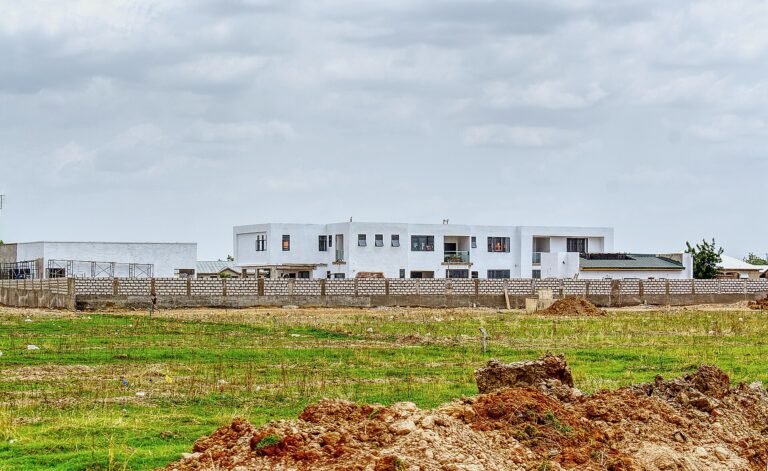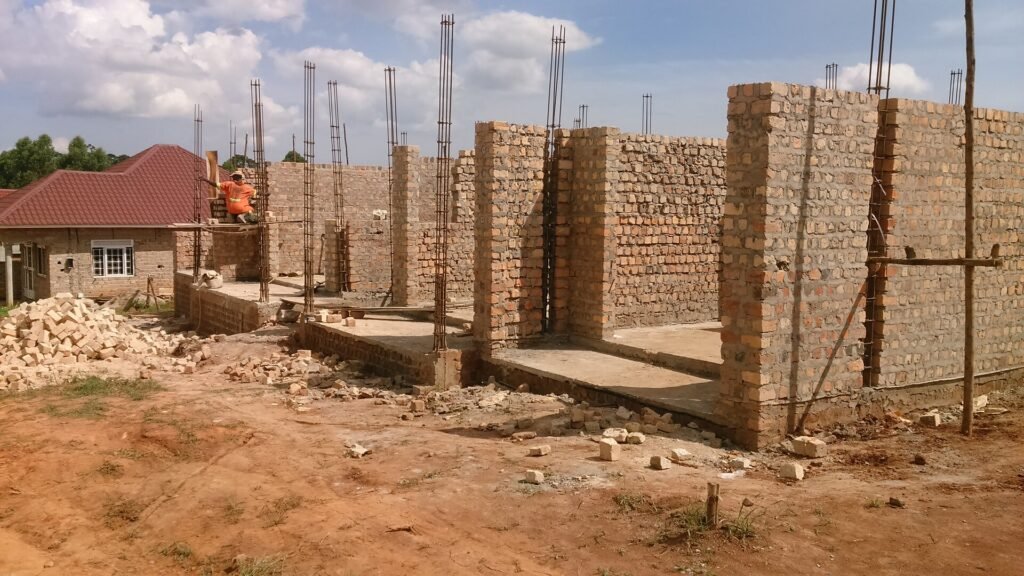
Buying off-plan means paying for a property that does not exist yet. The developer shows you drawings, a model, perhaps a show unit and a fenced site with foundations going in. You pay in instalments over the construction period, at a price below what the finished unit will sell for, and in eighteen months or two years you collect the keys.
The logic is sound and it is used all over the world. The developer gets working capital without borrowing at Nigerian commercial interest rates. You get a discount, a payment plan that suits a salary, and the chance to own something in an area you could not otherwise afford at completion prices. When it works, everybody wins, and a great deal of the housing built in Lagos and Abuja over the last decade was funded exactly this way.
When it does not work, it fails in one particular fashion, and Nigerian buyers know it well. The project stalls. Payments have been made, sometimes in full, but the building sits at first floor level for three years. The developer explains, then explains again, then stops answering. There is no completed asset, no refund, and a legal process that will take years. That is the risk you are paid a discount to carry, and the entire skill of buying off-plan lies in judging whether the developer in front of you will actually finish. This guide shows you how. For general purchase mechanics, see our complete guide to buying land in Nigeria.
What you are actually buying
Be clear about this from the start. When you buy off-plan you are not buying an apartment. You are buying a contractual promise from a company to deliver an apartment.
The value of that promise depends entirely on the company. So your due diligence is roughly seventy per cent about the developer and thirty per cent about the building. Most buyers do the reverse, spending hours on floor plans and finishes and ten minutes on who they are handing millions to.
How to judge a developer
Work through this list, in this order.
Completed projects you can physically visit. Not renderings. Finished buildings, occupied, that you can drive to. Go to at least two. Walk around. Look at the quality of the finishing three years after handover, which tells you far more than a show unit.
Talk to owners in those buildings. Ask three questions: was it delivered on time, was it delivered to the specification promised, and did the developer resolve defects after handover? Owners are candid, and this single step eliminates more bad developers than anything else.
Company registration. A search at the Corporate Affairs Commission tells you when the company was incorporated, who the directors are, and the share capital. A company registered eight months ago selling a fifty-unit development deserves questions. Check whether the directors’ names appear in other companies, and what happened to those. See how to check if a real estate company is real.
Regulatory registration. Lagos requires estate agents and developers to register with the state real estate regulatory authority. Ask for the registration and verify it.
Title to the site. This is fundamental. Does the developer actually own the land the building is going on, with clean, verified title? Ask for the title document and the survey, then run your own search and charting. A project on land with a defective title is a project that will meet an obstacle no amount of good intentions can clear. See land registry search in Nigeria.
Building approval. Has the development been approved by the relevant planning authority? Ask to see the permit and the approved drawings. Building without approval invites a stop-work order, and stop-work orders are how off-plan projects die. See building plan approval in Nigeria.
Funding. How is the project financed? Entirely from buyer instalments, or is there bank or equity funding behind it? A development funded purely by off-plan sales stalls the moment sales slow, and sales always slow at some point.
Progress on site. Visit the site yourself, unannounced, more than once. Is work actually happening? Are there workers, materials, machinery? A site that is quiet on two separate weekday visits is telling you something.
Structuring the deal to protect yourself
Once you are satisfied with the developer, the contract is your next line of defence. These are the terms worth negotiating.
Payments tied to construction milestones, not to the calendar. This is the single most powerful protection available to an off-plan buyer. Payment on foundation completion, on decking, on roofing, on plastering, on finishing, on handover. If work stops, your payments stop. A developer confident of delivering rarely objects.
A firm completion date, with consequences. Not “estimated” or “targeted”. A date, and a stated remedy if it is missed, whether penalty payments, rent compensation or a right to terminate and be refunded.
A clear specification schedule. Attached to the contract: floor area, materials, fittings, finishes, appliances, and what is provided for power and water. Without this, “premium finishing” means whatever is cheapest on the day.
Refund terms. What happens if the project does not proceed, what happens if you need to exit, and over what period a refund is paid. Vague refund clauses are the norm and they are worth fighting over.
Title documents on completion. State exactly what you receive and when: the deed, the sublease, the allocation, and the developer’s obligation to assist with consent and registration. See Governor’s Consent explained.
Snagging and defects. A period after handover during which the developer must fix defects at their cost.
Assignment. Can you sell your contract to somebody else before completion, and on what terms?
Escrow, if you can get it. An arrangement where instalments are held by a third party and released against verified progress is best practice. It is not yet common in Nigeria, but it is worth asking for, and a developer’s reaction to the question is informative.
The warning signs
- A price far below everything comparable. Developers do not give away money. An unusual discount is usually funding a cash-flow gap.
- Heavy pressure and short deadlines. Genuine projects do not need you to decide by Friday.
- Payment into a personal account. Absolute red line.
- No title document shown, or a promise to show it after payment.
- No building approval, with an explanation about how it is “being processed”.
- No completed projects, only renderings and a very confident presentation.
- Directors who will not meet you or a company with no physical office you can visit.
- Existing buyers who are unhappy, which you will only discover if you look for them.
- Returns promised on the unit, such as guaranteed rental yields after completion. This converts a construction risk into a financial promise and rarely ends well.
- Repeated changes to the delivery date with new explanations each time.
What to do if a project stalls
It happens, sometimes to honest developers, because construction costs in Nigeria have been volatile and materials pricing can wreck a budget set two years earlier.
Act early and act formally.
- Write, do not call. A formal letter from your lawyer requesting a status update, a revised programme and confirmation of the funding position.
- Organise with other buyers. A group of twenty buyers has far more influence than one, and can share legal costs. Developers respond to organised groups.
- Stop further payments if your contract permits it, or if the developer is in breach. Do not keep paying into a stalled site because you fear losing what you have already paid. That fear is exactly how people lose more.
- Check the site’s title and approval status independently. Sometimes the reason for the stall is a problem the developer has not disclosed.
- Report to the regulator where the state has one.
- Consider your contractual remedies with your lawyer: specific performance, termination and refund, or negotiated settlement. Court is slow, so a negotiated outcome backed by a credible legal position is often the practical route.
Off-plan versus buying finished
| Factor | Off-plan | Finished property |
|---|---|---|
| Price | Lower | Higher |
| Payment | Staged over construction | Usually lump sum |
| Certainty | You are buying a promise | You are buying a thing |
| Delivery risk | Significant | None |
| Specification risk | Real | You can see it |
| Income | Starts after completion | Starts immediately |
| Best for | Buyers with time, patience and appetite for risk | Buyers who want certainty |
There is no universally right answer. The discount exists because the risk is real. If you would be badly hurt by a two-year delay, or if the money is all you have, buy finished.
Final thoughts
Off-plan buying built a great deal of the modern housing stock in Nigeria’s cities, and many buyers have done very well out of it, collecting keys to a home that had appreciated substantially between the day they signed and the day they moved in. It is a legitimate route into property, and for buyers whose salary suits an instalment plan better than a lump sum, it may be the only realistic route.
The whole risk sits in one place: whether the company finishes. So put your effort there. Visit their completed buildings and speak to the people living in them. Search the company. Verify the title to the site and the building approval yourself. Look at how the project is funded and whether work is genuinely happening on site. And then structure the contract so that your money follows the concrete rather than the calendar, with a firm date, a real specification schedule and refund terms you have actually read.
Do all that and off-plan becomes a calculated decision with a discount attached. Skip it and you are handing your savings to a company you have not investigated, in exchange for a drawing.
The developers worth buying from will not mind a single one of these questions. That, in itself, is most of the test.