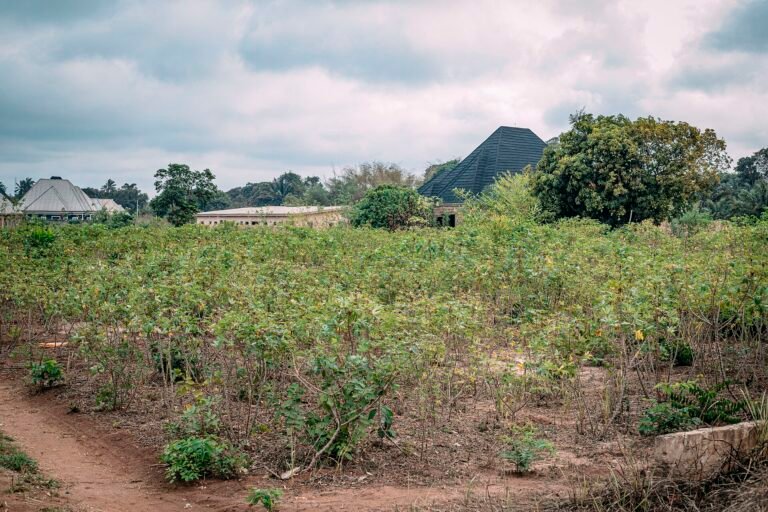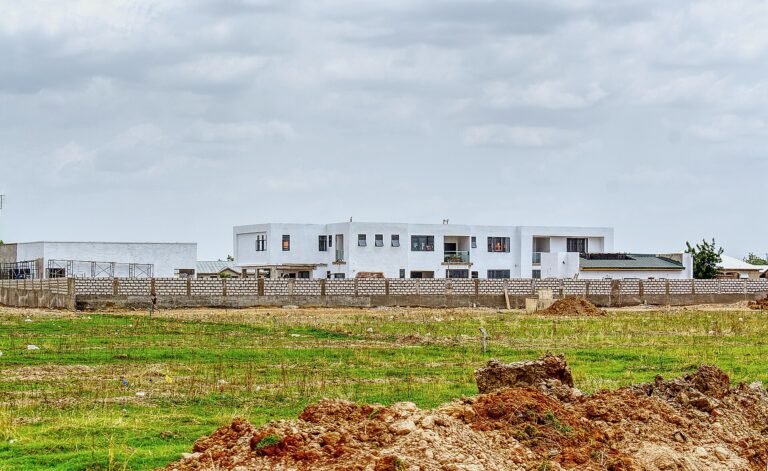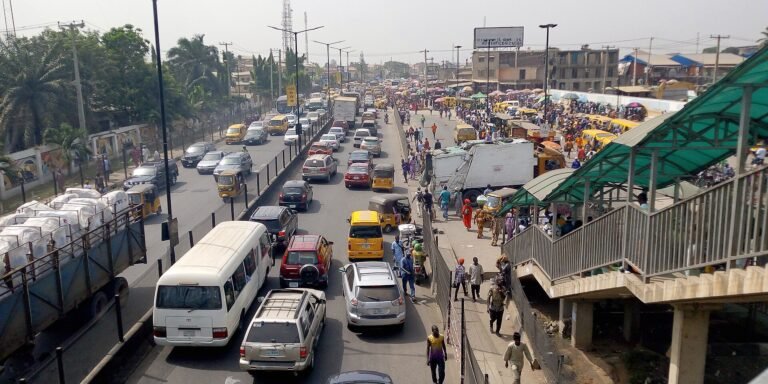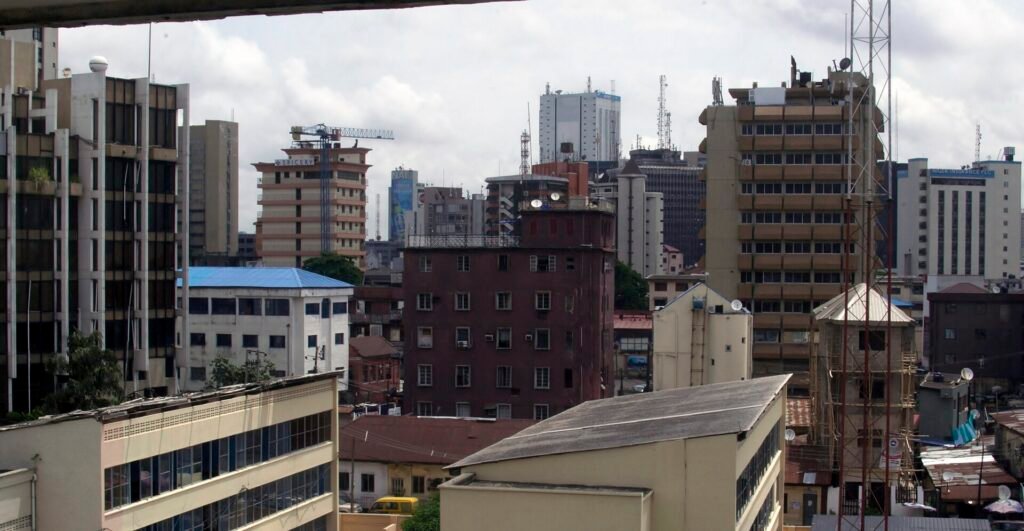
Lagos is the hardest place in Nigeria to buy land, and it is also the place where more people have made money from land than anywhere else. Both of those things are true at the same time, and understanding why is the beginning of buying safely here. Lagos has more than twenty million people squeezed onto a small strip of coast and lagoon. Land is genuinely scarce. Scarcity pushes prices up year after year, which is why Lagos land has made so many families comfortable. But scarcity also attracts every kind of trickster, and Lagos has developed a specific set of land traps that simply do not exist in most other states.
The Lagos traps have names. Government acquisition. Committed land. Excision. Gazette. Omonile. Double allocation. Setback. If those words mean nothing to you yet, you are exactly the person this guide was written for, because a buyer who does not know these words is a buyer who will eventually pay for a plot the government already owns, or one that three families are all selling at once.
The good news is that Lagos, more than any other state, has built systems you can use to protect yourself. There is a functioning Lands Bureau, an Office of the Surveyor-General that charts survey plans, a land information system that records registered titles, and a state regulator for estate agents and developers. A careful Lagos buyer has more tools than a careful buyer almost anywhere else in the country. This guide shows you how to use them, area by area, document by document. For the general national process, read our complete guide to buying land in Nigeria first.
The one thing you must understand about Lagos land
Under the Land Use Act, land in a state belongs to the state governor in trust for the people. Lagos took that further than most states and formally acquired huge stretches of land over the decades for future roads, schemes, industrial zones and public projects.
That is why the single most important Lagos question is not “does the seller have a receipt”. It is: has the government released this land?
When the government gives a portion of acquired land back to the original community, that release is called an excision. When the excision is published in the official state gazette, the community’s right to sell is on public record. Land that is excised and gazetted can be sold by the families that own it, and a buyer can build on it and later get title.
Land that is not excised remains government land, no matter how many families sell it, no matter how many houses are already standing on it, and no matter how convincing the receipts look. One day the government may come for it, and the buyers lose. We explain this in detail in excision and gazette explained and government acquisition, setback and committed land.
So the Lagos checklist starts here: excision status first, everything else second.
The Lagos title ladder, from strongest to weakest
| Title | What it really means | Verdict |
|---|---|---|
| Certificate of Occupancy with clean chain | Government has granted the land and the ownership trail is complete | Best |
| Registered deed with Governor’s Consent | Government has approved the transfer into your name | Best for resale property |
| Excision with gazette number | Land is officially released to the community and can be sold | Safe to buy and build |
| Registered survey plus deed, land free on charting | Documented sale on land the government charting shows as free | Acceptable with care |
| Family receipt only, no excision | Somebody sold you government land or disputed land | Avoid |
A word about C of O in Lagos: many honest estates in developing areas do not yet have a C of O and say so openly, offering instead a gazetted excision and a registered survey. That can be a perfectly sound buy. What should worry you is a seller who is vague, who shows a C of O in a name they cannot explain, or who says “the C of O is coming next month” for the fourth year running. Read what is a Certificate of Occupancy so you can tell the difference.
Charting: the Lagos search that decides everything
In Lagos, the crucial verification is a charting search at the Office of the Surveyor-General, alongside a title search at the Lands Bureau.
You give them the survey plan with its coordinates. They place those coordinates on the state’s official map. The answer comes back as one of these:
- Free from acquisition. The land is not under government acquisition. Good.
- Under government acquisition. Stop. Do not buy, whatever the seller says.
- Committed. The land is earmarked for a specific government purpose such as a road, a scheme or a rail line. Stop.
- Under excision. The land was acquired but has been released to the community. Ask for the gazette number and page, then confirm it.
- Falls within a road setback or drainage right of way. You cannot build on that portion. Ask for a different plot.
This search is not expensive relative to the price of Lagos land, and it is the difference between owning something and owning a story. Do it before you pay. The step-by-step is in land registry search in Nigeria.
The omonile question
Omonile is the everyday word for the original landowning families in Lagos and the wider Yoruba south-west. Their claim is customary and often genuine. The problem is not that they exist, it is that their internal arrangements are invisible to an outside buyer.
Typical trouble looks like this. You buy from one branch of a family. Another branch turns up while you are building and says they never agreed. Then a third group appears, calling themselves the “youths”, asking for a development fee before they will let your bricklayer work.
You reduce this risk in a few practical ways. Insist that the sale agreement is signed by the family head and named principal members, not one enterprising individual. Ask for the family’s own root of title and any deed of partition. Ask openly, in front of witnesses, whether any development levies or customary payments are expected and put the total in the written agreement. Use a lawyer who works in that specific local government and knows the families. And where possible, buy inside a well-run estate where the developer has already settled the community for the whole parcel, since that is exactly what part of your money is paying for.
Our fuller treatment is here: omonile and land grabbers.
Where Lagos buyers are actually looking
Ibeju-Lekki. The headline area, and for a real reason. The deep sea port, the refinery, the free trade zone and the expanding Lekki-Epe road have put genuine industry at that end of the state. Land here is no longer cheap by Nigerian standards, but the corridor keeps stretching further east as prices rise nearer the port. Check excision status very carefully here, because the boom brought in many sellers with thin paperwork. See why Ibeju-Lekki is growing.
Epe. Further out, cheaper, with the road improving and institutions moving in. This is patient money, not quick money.
Ikorodu. Strong on the mainland side, helped by road improvements and the ferry links. Good for people who work on the mainland and want to build a family home at a sane price.
Badagry axis. Long-term play tied to the expressway and the coastal corridor. Genuinely cheap, genuinely slow.
Ajah, Sangotedo, Awoyaya. Already developed and expensive, better for buying a finished home or a flat to rent than for land banking.
Alimosho, Ikotun, Ayobo, Igando. Dense mainland areas where people actually live and rent. Land is scarce and small, but rental demand is real.
Match the area to your reason. Do not buy Epe land expecting Ajah rent, and do not buy Ajah prices expecting Epe growth rates.
The Lagos cost stack
Lagos has the longest list of extra charges in Nigeria. Here is an example on a plot advertised at 15,000,000 naira in an estate on the Lekki-Epe corridor.
| Item | Example amount |
|---|---|
| Plot price | 15,000,000 |
| Survey fee | 800,000 |
| Deed of assignment preparation | 500,000 |
| Development or infrastructure levy | 3,000,000 |
| Agency fee | 750,000 |
| Registration, stamp duty and consent processing | 1,200,000 |
| Total | 21,250,000 |
Development levies in Lagos estates can be very large because they cover roads, drainage and perimeter work inside the estate. Ask for the levy figure in writing before you commit, and ask exactly what it delivers and by when. See the real cost of buying land in Nigeria.
Practical rules for Lagos, learned the hard way
- Never pay into a personal account. Registered company, corporate account, exact matching name.
- Get the plot number on the receipt. “Payment for land at XYZ Estate” without a plot number invites double allocation.
- Use your own lawyer and your own surveyor. The seller’s professionals are the seller’s professionals.
- Confirm the gazette. Do not accept “it is excised” as a sentence. Ask for the gazette number, the year and the page, then verify it.
- Check the developer with the state regulator. Lagos requires estate agents and developers to register with the state real estate regulatory authority. Ask for the registration.
- Walk the beacons. The plot you were shown and the plot on your paper must be the same plot.
- Go in the rain. Large parts of Lagos are reclaimed or low-lying. A plot that is charming in January can be a lagoon in July. Ask how much sand-filling the plot needs and add that to your budget, because it is often a very large number.
- Do not rush for a discount. Every “price goes up on Monday” campaign is designed to stop you from doing a search. That is the entire purpose of the deadline.
Final thoughts
Lagos land is expensive because Lagos land works. Roads keep coming, industry keeps landing, and twenty million people keep needing somewhere to live. Over any long stretch of time, well-chosen and properly titled Lagos land has been one of the most reliable stores of value available to an ordinary Nigerian family.
The whole game here is title. In other states you can sometimes get away with weak paperwork because nobody is contesting a quiet village plot. In Lagos, land is valuable enough that somebody will always contest it, and the government has real claims of its own. So the Lagos buyer’s discipline is simple and non-negotiable: find out the excision and acquisition status first, confirm the gazette, run a charting search and a title search with your own lawyer, insist on a family head signature or a properly settled estate, get every cost in writing, pay corporate, and register your title.
Do that and you own a piece of the most valuable land market in West Africa. Skip it and you own a receipt.
Slow down. Verify. Then buy with both hands.