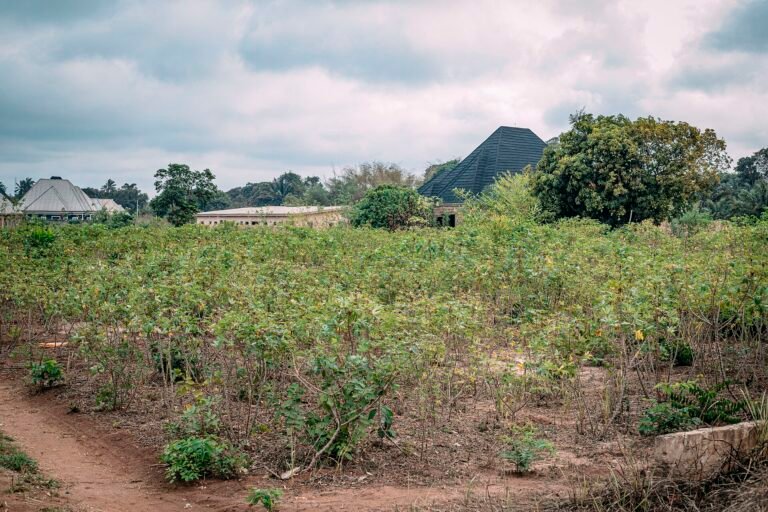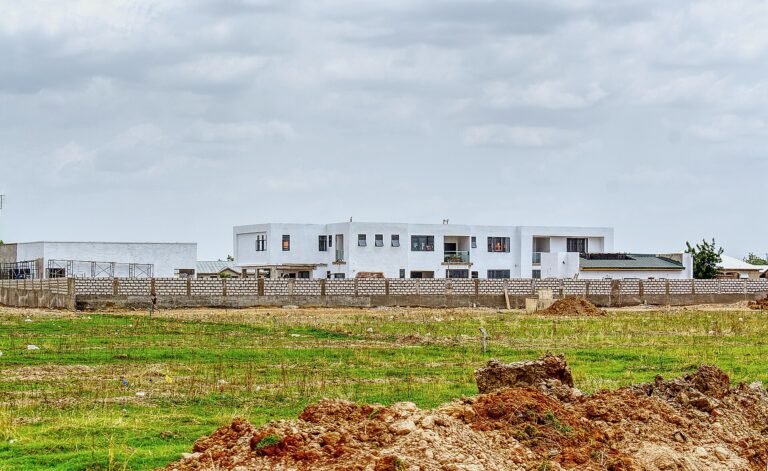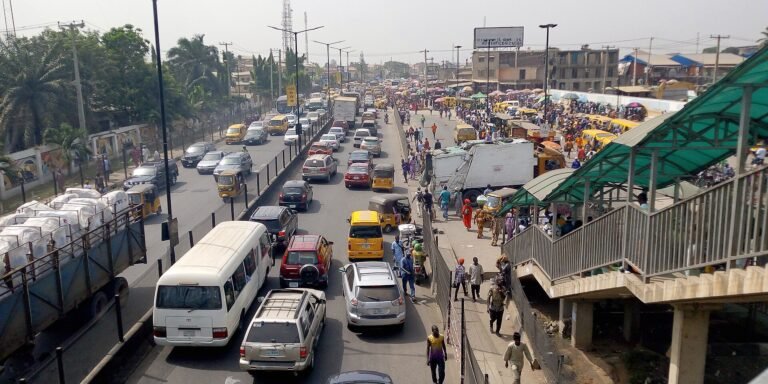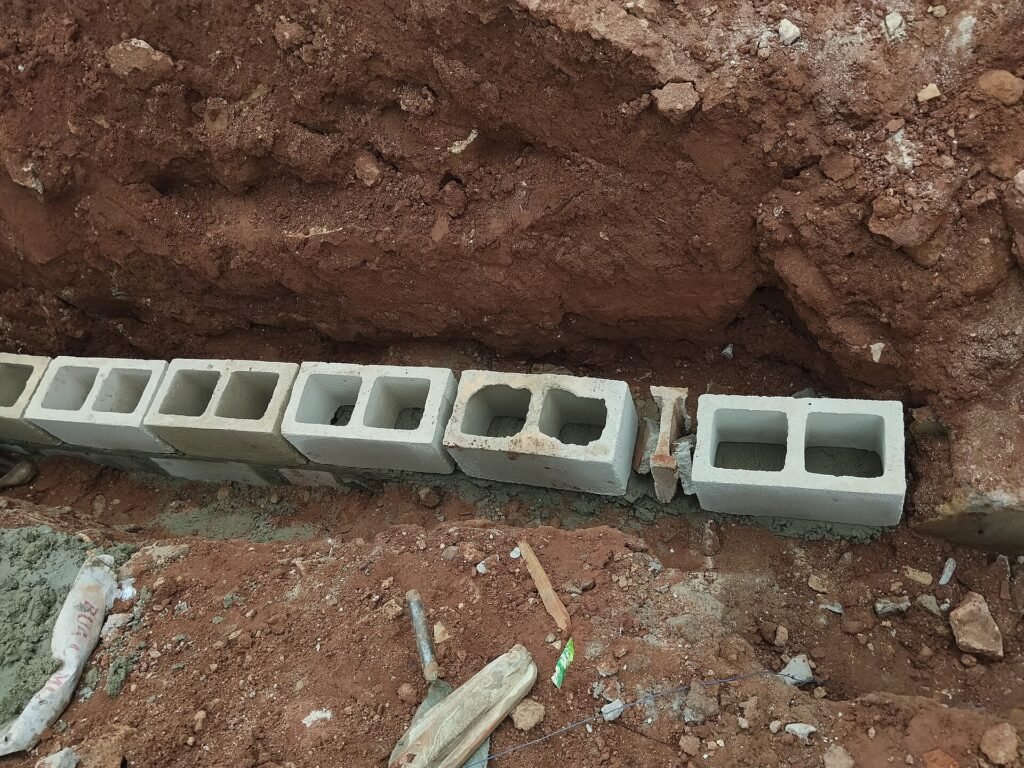
Anambra is one of the most commercially energetic states in Nigeria, and its property market reflects that. Onitsha trades, Nnewi manufactures, and Awka governs and studies. Money made in the first two towns has been steadily flowing into land in and around the third for two decades, and that flow is the single most important thing to understand about the Awka market. Awka does not grow mainly because of migrants arriving from outside the state. It grows because Anambra people who made money elsewhere want an address in their own capital.
That has consequences for a buyer. It means demand is deep and durable, because it is tied to identity as much as to economics. It also means prices in Awka can feel high for the level of infrastructure on the ground, because the buyers are not price-sensitive salary earners, they are traders and professionals with cash. And it means the quality of your paperwork matters enormously, because you are buying into a market where the other participants are experienced, well-advised and willing to fight for value.
At the same time, Anambra carries two physical risks that a careless buyer can walk straight into. The state has some of the most severe gully erosion in the country in certain areas, and it has riverine local governments that flood in bad years. Land is not uniformly safe here, and the price does not always warn you. This guide covers Anambra’s land system, the Awka areas people buy, the erosion and flood map you should carry in your head, and the checks that protect you. For the national basics, read our complete guide to buying land in Nigeria.
How Anambra land is held
Land around Awka is overwhelmingly community, village and family land, held under customary tenure and passed down through kindreds. Layered on top of that are state layouts and government schemes, plus private estate developments that bought large parcels from communities and cut them into plots.
Three questions sort out almost any Anambra plot:
- Who is the customary owner, and can they prove the chain? Village, kindred, family, individual. Each step needs to be explainable.
- Has the state recognised it? A Certificate of Occupancy from the Anambra State Ministry of Lands turns a customary holding into a state-recognised title, and it materially raises resale value.
- Is it inside an approved layout? Layouts come with defined plot sizes, roads and setbacks. Building outside an approved layout in a planned area invites trouble with the state physical planning authorities.
Get honest answers to those three and you have removed most of the risk before you have spent anything but time.
The documents to insist on
- Root of title from the community, kindred or family, with a deed of partition if one exists. See buying family land.
- Community or town union endorsement where that is the local practice, properly minuted rather than verbally promised.
- Registered survey plan with beacon numbers, lodged with the Surveyor-General.
- Deed of assignment in your name, prepared or reviewed by your own lawyer. See deed of assignment explained.
- Certificate of Occupancy if available, or a clear route to applying for one. See what is a C of O.
- Layout approval and building plan approval before construction. See building plan approval in Nigeria.
- Receipts with the plot number, on letterhead, for every payment.
Verify at the state lands office and on the ground
Send your lawyer to run an official search using the survey coordinates. Confirm the land is free of state acquisition, is not on a road or drainage reserve, is not already registered to another person, and has no caveat.
Then do the Anambra-specific ground search. Go to the village. Ask three separate neighbours who owns the land and who the family head is. Ask specifically whether there has ever been a court case over it, because Anambra has a long tradition of land litigation and an old case can sit dormant for years. If anyone mentions a court, get the suit number and have your lawyer check it before you go further.
The formal process is in land registry search in Nigeria.
The erosion and flood map you should carry
This is the section that saves Anambra buyers real money.
Gully erosion. Parts of Anambra sit on loose, sandy soil that water cuts through violently. Areas in the Nanka, Oko, Agulu and Ekwulobia belt have some of the best-known gullies in Nigeria, and erosion is also active in pockets elsewhere. A gully does not stay still. It advances, year after year, and it eats compounds.
What to do: look for the physical signs, which are cracks in bare ground, deep water channels, exposed tree roots, tilted fences and buildings with stepped cracks in their walls. Ask neighbours where the water goes when it rains hard. Be very suspicious of a plot that is much cheaper than its neighbours and sits near a slope.
River flooding. The riverine local governments along the Niger and the Anambra river, including the Ogbaru and Anambra East and West areas, flood in bad years. Land there can be productive and valuable, but you must buy it knowing that, build accordingly, and price the risk.
Urban flooding in Onitsha. Dense building and stressed drainage mean parts of the commercial areas take on water heavily during storms. Check the drainage on the specific street, not the general area.
Neither risk means “do not buy in Anambra”. It means buy with your eyes open, check the specific plot rather than the general reputation of the town, and visit during the rainy season if you possibly can.
Where people buy around Awka
Ifite Awka and the university side. Anchored by the federal university. This is the strongest student rental market in the state, good for blocks of self-contained rooms and mini-flats.
Amawbia, Nibo and Nise. The southern spread, popular for family houses and estates, still expanding.
Okpuno, Udoka and the planned estates. More organised, better roads, higher prices, easier resale.
Along the Enugu-Onitsha expressway through Awka. Commercially valuable frontage, with the usual setback caution for highway expansion.
Mgbakwu, Isuaniocha and the outer villages. The affordable edge, where land banking money goes. Slower, cheaper, needs patience and careful family paperwork.
Towards Umueri and the airport. The cargo and passenger airport in that direction has drawn attention to land along the route. Treat announced projects and delivered projects differently, and buy on what is actually built.
Onitsha, Nkpor, Obosi, Ogidi and Nnewi. These are separate markets with their own logic. Onitsha is about commerce and rent, Nnewi is about industry and industrial land, and both reward local knowledge more than general rules.
Our companion piece comparing this market with its neighbour across the river is Awka and Asaba: two capital cities.
Worked example: the real cost of an Awka plot
A plot advertised at 6,000,000 naira on the Awka outskirts.
| Item | Example amount |
|---|---|
| Plot price | 6,000,000 |
| Survey plan | 400,000 |
| Deed and legal fees | 400,000 |
| Community and family documentation | 250,000 |
| Development levy in an estate | 700,000 |
| Registration and title processing | 600,000 |
| Total | 8,350,000 |
If the plot is sloped or needs erosion protection, add for retaining works. That is not a decoration cost, it is a structural one, and it is far cheaper to walk away from a bad plot than to engineer your way out of it. Full breakdown in the real cost of buying land in Nigeria.
Rules that keep Anambra buyers safe
- Ask about court cases explicitly. In this state, that question earns its keep.
- Get the family head plus principal members to sign, with a family resolution attached.
- Chart the survey. An unlodged survey plan proves nothing.
- Visit in the rain. One wet-season visit tells you more than five dry-season inspections.
- Do not buy on the strength of an announced project. Buy on roads that exist and buildings that are up.
- Use your own lawyer, locally based. Anambra land practice is specialised and local knowledge of families is genuinely valuable.
- Pay corporate, by transfer, with plot numbers on receipts.
- Convert to a C of O when you can. In a market this liquid, a state title noticeably widens your pool of future buyers.
Inside an approved layout, or outside it
Anambra has both, often within a few hundred metres of each other, and the difference shapes what you can do with the land.
Inside an approved layout, the plot sizes, road widths, drainage lines, setbacks and permitted land uses are already fixed. You will be expected to build within those rules and to obtain approval from the state physical planning authority. In return you get predictability: the plot next to yours cannot suddenly become a filling station, the road in front of you will not be built on, and your title path is cleaner.
Outside an approved layout, you have more freedom and less protection. Plot shapes can be irregular, access can depend on a neighbour’s goodwill, and there is no guarantee about what will be built beside you. Land is usually cheaper for exactly these reasons.
Neither is wrong, but you should know which one you are buying, and the way to find out is not to ask the agent. Ask the state physical planning authority whether the parcel falls within an approved layout, and if it does, ask for the layout name and number and check your plot against it.
Two practical points follow. First, if you intend to build anything commercial, the land use classification matters more than the price. Second, if you are buying to resell, land inside an approved layout with a clean title generally moves faster, because the next buyer’s lawyer has fewer questions to ask.
Final thoughts
Anambra is a serious property market run by serious people. That is a compliment and a warning at the same time. Demand is real, money is real, and the state’s capital is genuinely expanding outward year after year. A well-chosen and properly documented plot around Awka is a solid long-term hold, and the rental market around the university is one of the most dependable income plays in the South East.
But this is not a market where you can be casual. The two things that hurt buyers here are litigation and geology. Litigation, because family land in Anambra has been fought over for generations and an old suit can resurface. Geology, because the soil in parts of this state moves when water gets into it, and a beautiful plot on the edge of a slope can be a liability rather than an asset.
Both are solvable with the same discipline. Search the title formally and ask about court cases directly. Get the whole family to sign. Chart your survey. Walk the beacons. Visit in July. Budget the full cost including registration. Then register your title and build within the approved layout.
Do that, and Awka will treat your money the way it has treated Anambra traders’ money for twenty years: patiently, and well.